Losing a tooth can change more than the appearance of your smile.
At first, you might think it isn’t a major concern, especially if the missing tooth is toward the back of your mouth and isn’t visible when you speak or smile.
You may even get used to chewing on the opposite side or avoiding certain foods.
But your teeth work together as a system. When one tooth is missing, the surrounding teeth, gums, and jawbone may be affected over time.
Whether you’ve lost a tooth because of an injury, severe decay, gum disease, or another dental condition, understanding your replacement options can help you make an informed decision.
The good news is that modern dentistry offers several ways to replace missing teeth and restore oral function.
If you’re searching for a Watertown MA dental clinic, learning how tooth loss affects your oral health is an important first step toward protecting your smile.
What Happens When You Lose a Tooth?
Your natural teeth do more than help you chew food.
They also support your bite, contribute to speech, and help maintain the structure of your mouth.
When a tooth is lost, several changes may occur.
Changes in Chewing
You may find it harder to chew certain foods comfortably.
This can lead you to rely more heavily on other teeth.
Movement of Nearby Teeth
Over time, adjacent teeth may begin shifting toward the empty space.
Changes in Bone Support
The jawbone surrounding a tooth is stimulated through normal chewing forces transmitted by the tooth root.
When a tooth is lost, the surrounding bone may gradually decrease in volume.
Changes in Your Smile
Missing teeth can affect your appearance, particularly when front teeth are involved.
However, the effects of tooth loss vary from person to person.
1. Missing Teeth Can Affect How You Eat
Eating should be comfortable and enjoyable.
But losing a tooth can make certain foods more difficult to manage.
Why Chewing Becomes Harder
Different teeth perform different functions.
Front teeth help bite into food, while back teeth are primarily responsible for grinding and chewing.
When a tooth is missing, the remaining teeth may need to compensate.
Foods That May Become Difficult
Depending on the location of the missing tooth, you might struggle with:
- Crunchy vegetables.
- Nuts.
- Certain meats.
- Hard fruits.
- Chewy foods.
Why It Matters
Difficulty chewing may influence your food choices.
Replacing a missing tooth may help restore chewing efficiency, depending on the treatment selected and your overall oral health.
2. Nearby Teeth May Begin to Shift
Teeth aren’t completely fixed in place.
They are supported by periodontal tissues that allow small amounts of natural movement.
When a tooth is missing, neighboring teeth may gradually tilt or shift toward the open space.
How Shifting Can Affect Your Bite
Changes in tooth position may influence how your upper and lower teeth come together.
Can Shifting Make Cleaning More Difficult?
In some cases, changes in tooth alignment can create areas that are harder to clean.
This may contribute to plaque accumulation.
Does Every Missing Tooth Cause Shifting?
Not necessarily.
The amount of movement depends on several factors, including the location of the missing tooth and the condition of surrounding teeth.
A dental examination can help determine your individual risk.
3. Tooth Loss Can Affect Your Jawbone
One important consequence of tooth loss is the potential for bone changes.
Why Does Bone Loss Happen?
The bone supporting a natural tooth responds to the forces transmitted through its root.
After a tooth is lost, the bone in that area may gradually resorb.
Does Bone Loss Happen Immediately?
Bone changes can begin after tooth loss and continue over time.
The extent and speed vary between individuals.
Why Is Bone Preservation Important?
Bone volume can influence future tooth replacement options.
For example, dental implant placement requires sufficient bone support.
Can Bone Loss Be Prevented?
Certain procedures, such as socket preservation at the time of extraction, may help reduce bone loss in selected cases.
Your dentist can explain whether these options are appropriate.
4. Missing Teeth May Affect Your Confidence
The appearance of your smile can influence how comfortable you feel in social situations.
For some people, losing a visible tooth creates concerns about smiling, speaking, or being photographed.
Common Concerns
Patients may feel uncomfortable:
- Smiling in pictures.
- Speaking during meetings.
- Attending social events.
- Laughing openly.
- Meeting new people.
Is Tooth Replacement Only Cosmetic?
No.
Although appearance is an important consideration, tooth replacement can also help restore function.
The appropriate treatment depends on your goals, dental health, and individual circumstances.
5. Dental Implants: A Fixed Tooth Replacement Option
Dental implants are one option for replacing missing teeth.
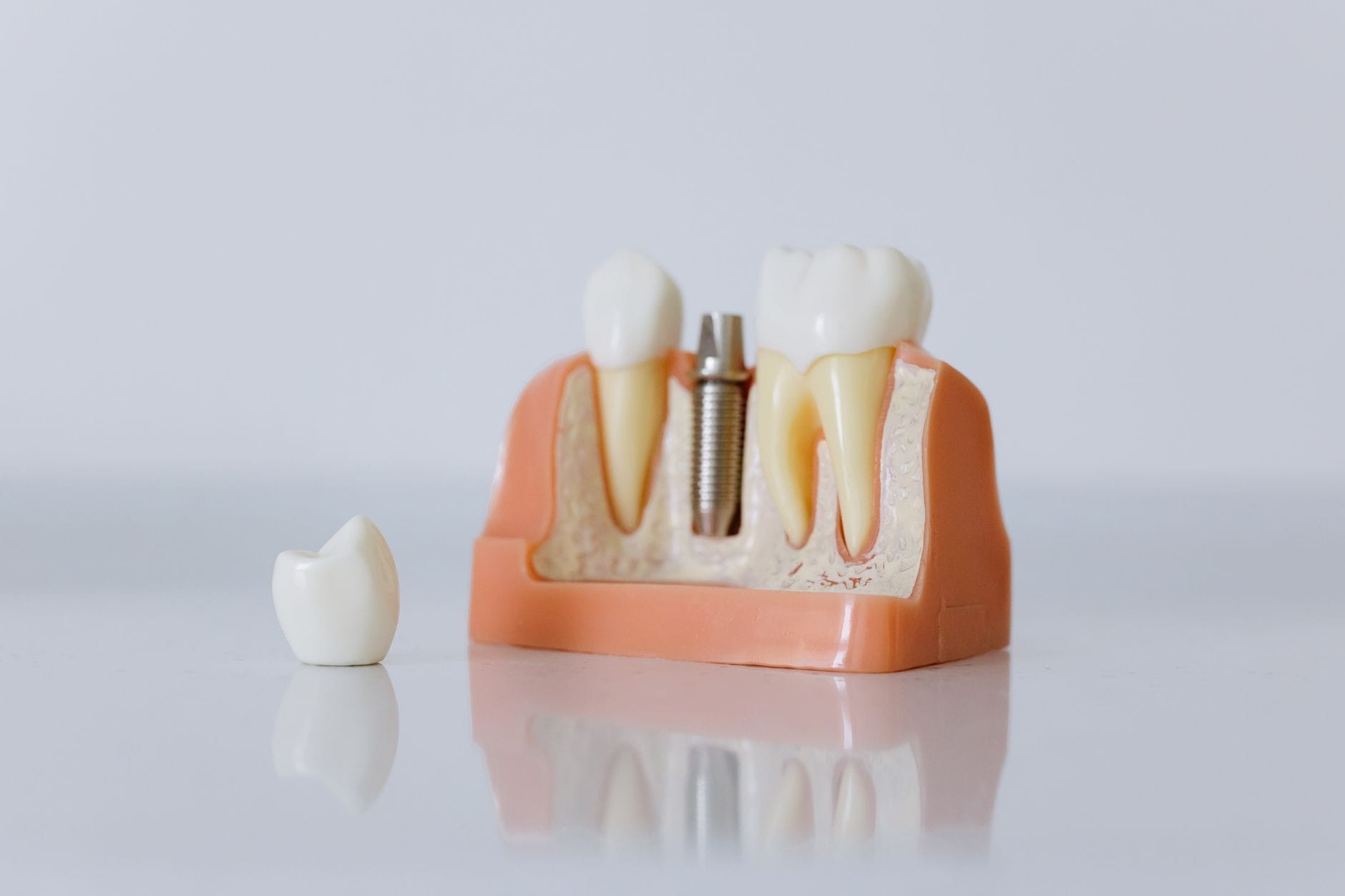
An implant is a small fixture, commonly made from titanium, that is placed into the jawbone.
After healing, it can support a dental crown or another type of restoration.
How Dental Implants Work
The implant acts as an artificial tooth root.
Over time, the surrounding bone may integrate with the implant surface.
A restoration is then attached to replace the visible portion of the missing tooth.
Potential Benefits
Dental implants may offer:
- A fixed replacement option.
- Improved chewing function.
- Support for an individual crown.
- No need to prepare adjacent teeth for a traditional bridge.
- Bone stimulation through functional loading.
Are Dental Implants Right for Everyone?
Not necessarily.
Suitability depends on factors such as:
- Available bone.
- Gum health.
- Medical history.
- Oral hygiene.
- Smoking status.
- Overall treatment goals.
A comprehensive evaluation is necessary before recommending implant treatment.
6. Dental Bridges: Replacing Teeth Without an Implant
A dental bridge is another common tooth replacement option.
It fills a gap using one or more artificial teeth supported by adjacent teeth or, in some cases, implants.
How Does a Traditional Bridge Work?
A conventional bridge usually involves preparing neighboring teeth to support crowns connected to the replacement tooth.
Potential Benefits
A bridge may:
- Restore the appearance of a missing tooth.
- Improve chewing function.
- Provide a fixed restoration.
- Be suitable for patients who aren’t candidates for implants.
Important Considerations
Traditional bridges often require modification of the supporting teeth.
They also need careful daily cleaning.
Your dentist can explain whether a bridge is appropriate for your situation.
7. Dentures: A Removable Tooth Replacement Solution
Dentures can replace several missing teeth or an entire arch.
They are available in different designs depending on the patient’s needs.
Partial Dentures
Partial dentures replace some missing teeth while using remaining teeth and oral tissues for support.
Complete Dentures
Complete dentures replace all teeth in the upper or lower arch.
Potential Advantages
Dentures may offer:
- Replacement of multiple teeth.
- Improved appearance.
- Better chewing ability compared with having no replacement in some situations.
- A removable treatment option.
What Should Patients Know?
Dentures require regular cleaning and may need adjustments as oral tissues change.
Some patients experience an adjustment period while learning to eat and speak comfortably.
8. Dental Implants vs. Bridges vs. Dentures
Choosing a tooth replacement option involves more than comparing appearance.
Each treatment has advantages and limitations.
Dental Implants
May be suitable for patients seeking a fixed restoration without relying on adjacent teeth.
However, implant treatment involves surgery and requires adequate healing and support.
Dental Bridges
May provide a fixed replacement without implant surgery.
However, traditional bridges typically involve preparing neighboring teeth.
Dentures
May be useful when multiple teeth are missing or when other treatment options aren’t appropriate.
They are removable and may require periodic adjustments.
Which Option Is Best?
There isn’t one solution that’s right for everyone.
The best approach depends on the number of missing teeth, bone support, budget, medical considerations, and personal preferences.
A Watertown MA dental clinic can help you understand the available options and develop an appropriate treatment plan.
9. How Long Can You Wait Before Replacing a Missing Tooth?
Some patients delay treatment because the missing tooth doesn’t cause immediate discomfort.
However, waiting may allow changes in tooth position or bone volume to occur.
Does Every Missing Tooth Need Replacement?
Not always.
Some missing teeth may not require replacement, depending on their location, the patient’s bite, and other clinical factors.
Why Timing Matters
Early evaluation can help you understand whether replacement is recommended and what options are available.
What If You’ve Been Missing a Tooth for Years?
Tooth replacement may still be possible.
However, additional procedures may be necessary in some cases.
A dental examination can help determine the condition of the surrounding teeth and bone.
10. How to Care for Your Smile After Tooth Replacement
Replacing a missing tooth is only one part of maintaining long-term oral health.
Your daily habits continue to matter.
Brush Twice Daily
Use fluoride toothpaste and clean all accessible tooth surfaces.
Clean Between Teeth
Floss or use appropriate interdental cleaning tools.
Follow Restoration-Specific Instructions
Dental implants, bridges, and dentures may require different cleaning techniques.
Attend Recommended Dental Appointments
Your dentist can monitor the condition of your restoration and surrounding tissues.
Avoid Tobacco
Tobacco use can negatively affect oral health and may increase complications associated with certain dental treatments.
Address Problems Early
Contact your dentist if a restoration feels loose, becomes uncomfortable, or changes how your bite feels.
Frequently Asked Questions About Missing Teeth
Is It Okay to Leave One Missing Tooth Unreplaced?
Sometimes, but it depends on the tooth’s location, your bite, and other factors. A dentist can evaluate whether replacement is advisable.
Are Dental Implants Better Than Bridges?
Neither option is universally better. Each has benefits, limitations, and different treatment requirements.
Can You Get a Dental Implant Years After Losing a Tooth?
Possibly. Implant suitability depends on bone availability, oral health, and other clinical factors.
Do Dentures Look Natural?
Modern dentures can be designed to resemble natural teeth, although results vary depending on the patient’s anatomy and treatment plan.
Can Missing Teeth Cause Other Teeth to Move?
Yes. In some cases, neighboring teeth may gradually shift toward an empty space.
Your Smile Is More Than the Teeth People Can See
Losing a tooth may seem like a small change, especially when the gap isn’t visible.
But every tooth contributes to the way your mouth functions.
Missing teeth can influence chewing, tooth alignment, bone support, and confidence.
Fortunately, several replacement options are available.
The key is understanding your individual needs rather than assuming one treatment is right for everyone.
A professional dental evaluation can help you explore your options, understand potential benefits and limitations, and make an informed decision.
Taking care of a missing tooth today may help protect the rest of your smile tomorrow.
Explore Tooth Replacement Options at Watertown Dentistry
If you’re missing one or more teeth, understanding your treatment options is an important first step.
At Watertown Dentistry, patients can discuss their oral health concerns and explore appropriate restorative care recommendations.
Whether you’ve recently lost a tooth or have been living with a gap for years, a dental examination can help determine what options may be suitable.
If you’re looking for a Watertown MA dental clinic, contact Watertown Dentistry to schedule an appointment and learn more about restoring your smile.
Visit watertowndentistryma.com today to request an appointment and take the next step toward a healthier, more comfortable, and confident smile.
