You brush your teeth every morning and night, floss regularly, and do your best to maintain good oral hygiene. Yet when you look in the mirror, your teeth don’t seem as white as they used to.
Maybe you’ve noticed yellow stains in photographs. Perhaps your teeth look darker under certain lighting, or your favorite coffee has started leaving its mark.
Tooth discoloration is common, and it doesn’t necessarily mean your teeth are unhealthy.
In fact, natural teeth come in a range of shades. Some people naturally have brighter enamel, while others have teeth with warmer or more yellow tones.
However, changes in tooth color can also result from daily habits, aging, medications, or dental conditions.
The important thing is understanding why your teeth are changing color before choosing a whitening solution.
If you’re searching for a Watertown MA dental clinic, learning about the causes of tooth discoloration can help you explore safe and appropriate ways to improve your smile.
Why Are Teeth Naturally Different Colors?
Many people assume healthy teeth should be perfectly white.
But that’s not how natural teeth work.
Understanding Tooth Color
Your teeth have several layers.
The outer layer, enamel, is somewhat translucent. Beneath it is dentin, which typically has a more yellowish appearance.
The combination of these layers influences your natural tooth shade.
Does Yellow Mean Unhealthy?
Not necessarily.
A naturally yellowish tooth can be healthy, while a very white tooth may still have cavities or other dental problems.
Color alone isn’t a reliable measure of oral health.
Why Do Some People Have Whiter Teeth?
Genetics, enamel thickness, dentin color, and age can all influence tooth appearance.
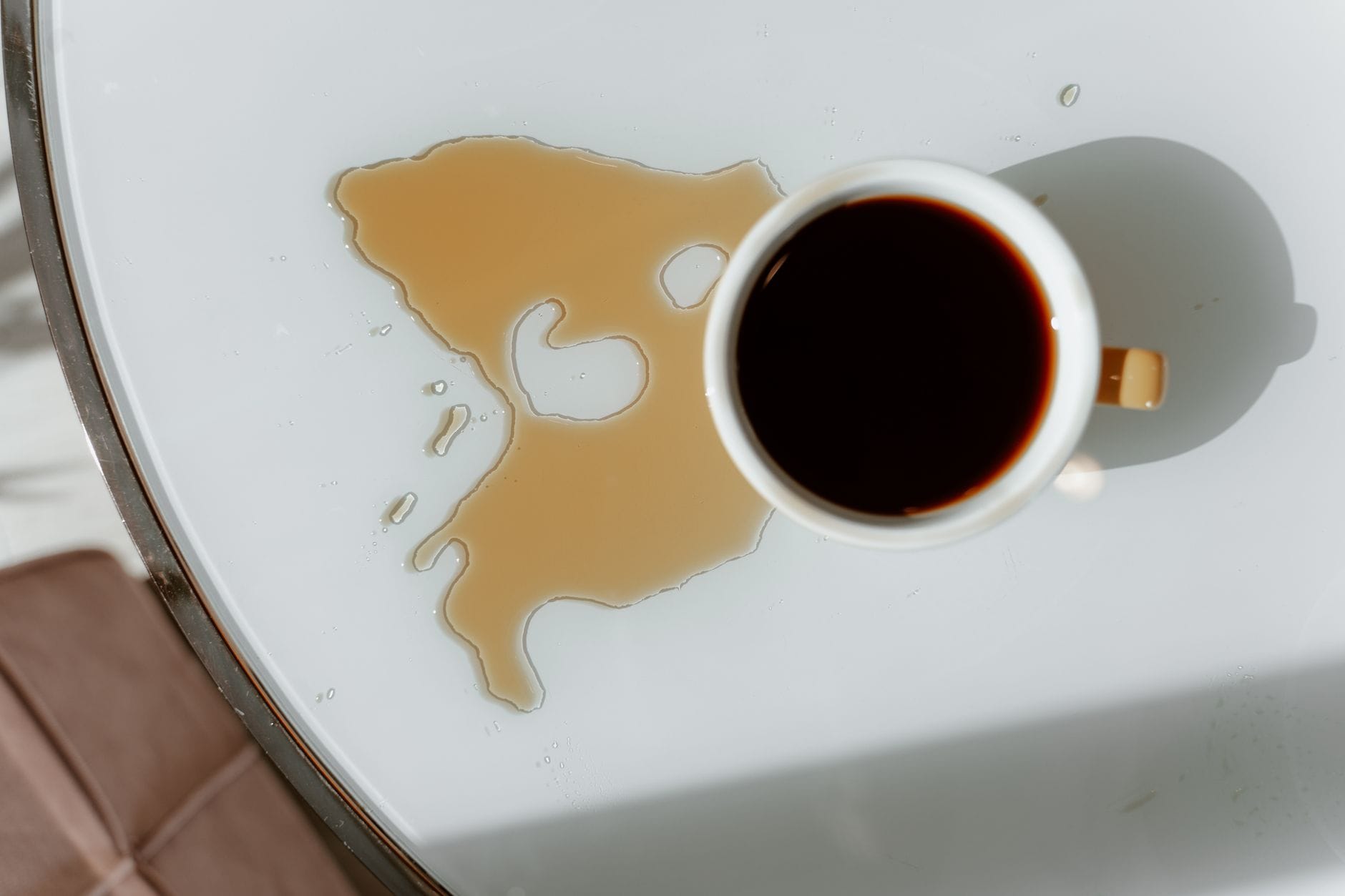
1. Coffee and Tea Can Stain Your Teeth
For many people, coffee is part of the morning routine.
Unfortunately, frequent consumption can contribute to surface staining.
How Do Drinks Cause Stains?
Coffee and tea contain pigments and compounds that can adhere to tooth surfaces.
Over time, these may create noticeable discoloration.
Is Tea Better Than Coffee?
Not necessarily.
Some teas can also contribute significantly to tooth staining.
How to Reduce Staining
You don’t necessarily need to eliminate your favorite drinks.
Instead, consider:
- Drinking water afterward.
- Avoiding sipping stained beverages continuously throughout the day.
- Maintaining regular brushing and flossing.
- Scheduling professional cleanings when recommended.
2. Aging Changes the Appearance of Your Teeth
As you get older, your teeth may gradually appear darker or more yellow.
Why Does This Happen?
Enamel can become thinner through years of normal wear and other factors.
As the enamel changes, the underlying dentin may become more visible.
Can Aging-Related Discoloration Be Treated?
Some types of discoloration respond to whitening treatment.
However, results depend on the cause and condition of your teeth.
What Should You Expect?
A dental evaluation can help determine whether whitening or another cosmetic approach is appropriate.
3. Smoking and Tobacco Use
Tobacco products can contribute to noticeable tooth staining.
Why Tobacco Stains Teeth
Certain compounds in tobacco can accumulate on tooth surfaces, producing yellow or brown discoloration.
Does Brushing Remove Tobacco Stains?
Brushing may help reduce some surface deposits, but deeper or persistent stains may require professional care.
More Than a Cosmetic Concern
Tobacco use also increases the risk of gum disease, oral cancer, and other oral health problems.
Quitting tobacco supports both your smile’s appearance and your overall health.
4. Poor Oral Hygiene and Plaque Buildup
Even when discoloration is primarily cosmetic, plaque and tartar can affect how your teeth look.
What Is Plaque?
Plaque is a sticky film of bacteria that forms continuously on teeth.
When it isn’t removed effectively, it can accumulate and eventually harden into tartar.
How Does Tartar Affect Tooth Color?
Tartar may appear yellow or brown and can make teeth look discolored.
Can Whitening Toothpaste Remove Tartar?
No.
Hardened tartar generally requires professional removal.
What Helps?
Consistent brushing, daily cleaning between teeth, and professional dental care can help manage plaque and tartar buildup.
5. Certain Foods Can Contribute to Discoloration
Coffee and tea aren’t the only dietary sources of staining.
Foods and Drinks That May Stain Teeth
Examples include:
- Red wine.
- Dark berries.
- Certain sauces.
- Strongly colored beverages.
- Some foods containing concentrated pigments.
Should You Avoid These Foods Completely?
Not necessarily.
Many staining foods are part of a balanced diet.
Practical Ways to Reduce Stains
Rinse with water after eating and maintain good oral hygiene.
If you’ve consumed acidic foods or beverages, avoid brushing immediately afterward. Waiting approximately 30 minutes may help protect softened enamel.
6. Medications and Dental Development
Some forms of tooth discoloration develop for reasons unrelated to everyday habits.
Medication-Related Discoloration
Certain medications can affect tooth color, particularly when exposure occurs during tooth development.
Fluorosis
Excessive fluoride exposure while teeth are developing can cause changes in enamel appearance.
These changes may include white markings or, in more pronounced cases, darker discoloration.
Previous Dental Injuries
A tooth that has experienced trauma may gradually become darker.
Why Diagnosis Matters
Different causes of discoloration respond differently to treatment.
A dentist can help identify whether whitening is likely to be effective.
7. Can Whitening Toothpaste Really Make Teeth Whiter?
Whitening toothpaste is widely available, but expectations matter.
How Whitening Toothpaste Works
Many whitening toothpastes contain mild abrasives or other ingredients designed to reduce surface stains.
What Can It Improve?
Whitening toothpaste may help remove some external discoloration.
What Are Its Limitations?
Most whitening toothpastes don’t significantly change the natural internal color of teeth.
Can You Use It Every Day?
Use products according to their instructions and choose a fluoride toothpaste appropriate for your oral health needs.
If you have sensitivity or enamel concerns, ask your dentist for guidance.
8. Professional Teeth Whitening
Professional whitening is an option for certain types of tooth discoloration.
How Does Whitening Work?
Whitening treatments typically use peroxide-based agents that help break down discoloring compounds.
What Types of Whitening Are Available?
Depending on the dental practice and patient’s needs, options may include:
- In-office whitening.
- Dentist-supervised take-home whitening.
- Other professionally recommended products.
What Are the Benefits?
Professional guidance can help determine whether whitening is appropriate and how to reduce avoidable risks.
Does Whitening Work for Everyone?
No.
Results depend on the type of staining, natural tooth color, and other factors.
Crowns, veneers, and tooth-colored fillings generally don’t whiten like natural teeth.
9. Are At-Home Whitening Products Safe?
Many over-the-counter whitening products are available.
However, not every product is appropriate for every patient.
Common At-Home Options
These include:
- Whitening strips.
- Whitening gels.
- Whitening trays.
- Whitening toothpaste.
Potential Side Effects
Some whitening products may cause temporary tooth sensitivity or gum irritation.
Why You Should Be Careful
Excessive or improper use can increase the risk of irritation and other problems.
What About DIY Whitening Trends?
Avoid unproven methods involving acidic substances or abrasive mixtures.
For example, repeatedly applying lemon juice or aggressively scrubbing with abrasive materials can damage tooth surfaces.
A dentist can help you choose a safer approach.
10. When Yellow Teeth May Indicate a Dental Problem
Not every color change is harmless.
Certain changes may require professional attention.
Warning Signs
Schedule a dental evaluation if you notice:
- One tooth becoming noticeably darker.
- Brown or black spots.
- Tooth pain or sensitivity.
- Visible holes or damaged enamel.
- Sudden changes in tooth color.
- Discoloration following an injury.
Why One Dark Tooth Matters
A tooth that becomes darker after trauma may have experienced internal damage.
Can Cavities Change Tooth Color?
Yes.
Certain areas of tooth decay may appear white, brown, or dark.
However, color changes alone can’t confirm a cavity.
How to Maintain a Brighter Smile
Good daily habits can help limit surface staining and support oral health.
Brush Twice Daily
Use fluoride toothpaste and a soft-bristled toothbrush.
Floss Every Day
Cleaning between teeth helps remove plaque from areas your toothbrush may not reach.
Drink Water Regularly
Water helps rinse away some food particles and supports normal oral function.
Limit Frequent Staining Drinks
Reducing prolonged exposure to highly pigmented beverages may help manage stains.
Avoid Tobacco
Tobacco cessation benefits both oral health and tooth appearance.
Schedule Dental Cleanings
Professional cleanings can remove plaque, tartar, and certain surface stains.
A Watertown MA dental clinic can evaluate your tooth discoloration and recommend suitable preventive or cosmetic options.
Frequently Asked Questions About Yellow Teeth
Are Yellow Teeth Unhealthy?
Not necessarily. Natural tooth color varies, and yellowish teeth can be healthy.
Can Yellow Teeth Become White Again?
Some types of discoloration respond well to whitening, while others may require different treatment approaches.
Does Professional Cleaning Whiten Teeth?
Cleaning can remove certain surface stains, but it doesn’t change the natural internal color of your teeth.
How Long Does Teeth Whitening Last?
Results vary depending on the treatment, diet, tobacco use, and oral hygiene habits.
Can Teeth Whitening Damage Enamel?
Appropriately used whitening products are generally considered safe for suitable patients, but misuse can cause sensitivity, irritation, or other problems.
A Brighter Smile Starts With Healthy Teeth
It’s natural to want a brighter smile.
But tooth color is only one part of oral health.
The goal shouldn’t be to achieve an unrealistic shade of white at any cost.
Instead, focus on understanding your natural tooth color, maintaining healthy teeth and gums, and choosing cosmetic treatments that are appropriate for your needs.
Some discoloration can be improved through better oral hygiene and professional cleaning.
Other cases may benefit from whitening or additional cosmetic treatment.
The most important step is identifying the cause before starting treatment.
A confident smile begins with healthy teeth, realistic expectations, and the right dental care.
Explore Your Smile Options at Watertown Dentistry
If you’re concerned about yellow teeth or noticeable discoloration, a dental examination can help you understand the cause.
At Watertown Dentistry, patients can discuss their oral health and cosmetic concerns and receive recommendations based on their individual needs.
Whether you’re interested in maintaining your natural smile or exploring ways to improve tooth appearance, professional guidance can help you make an informed decision.
If you’re looking for a Watertown MA dental clinic, contact Watertown Dentistry to schedule an appointment and discuss your smile goals.
Visit watertowndentistryma.com today to request an appointment and take the next step toward a healthier, brighter, and more confident smile.
